
The Iran War started off at the end of February with a massive joint bombardment by the United States and Israel militaries of targets in Iran. War with Iran had been in planning in the US military since Iranians rose up nearly 50 years earlier to throw out the US lackeys who had been running things there since the US-supported overthrow of the Iranian elected government in 1953.
Yet, when the US missiles started flying, it soon appeared that little effort had been made to ensure they would strike military targets instead of just bring death, destruction, and terror on a grand scale. The US government has since largely kept mum on the matter. But, a Tuesday report by Zachary Cohen at CNN indicates that the US military’s initial attack on Iran relied largely on targeting information that had not been updated in over 10 years.
The targeting was further marred, wrote Cohen, by Secretary of Defense Pete Hegseth having “made deep cuts to the Civilian Harm Mitigation and Response programs and slashed CHMR staff at military commands by more than 90%.” The drastic reduction applied to the military group responsible for overseeing the Iran war initial attack targets as well. Cohen explained, “That included removing civilian harm specialists from target development strike teams and reducing the team of 10 at Central Command to only one full-time staffer, sources told CNN.”
Here is how Cohen sums thing up in the beginning of his article:
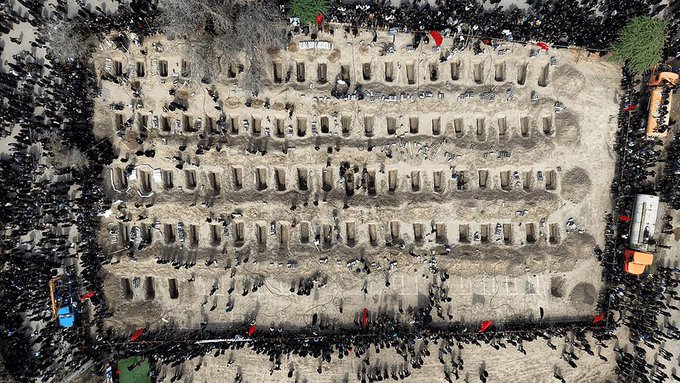
Senior US military commanders bypassed warnings in critical databases that intelligence about potential targets in Iran was severely out of date and approved some strikes — including one that hit a school, killing nearly 200 hundred children and adults, according to three sources familiar with the decision-making process.
Messages indicating the intelligence was based on years-old intelligence that needed to be re-vetted were embedded in a system used for developing targets and required a senior officer to approve adding a site to the strike list, according to the sources.
The decision by senior commanders to ignore the warnings was made for “expediency,” two of the sources said, in a rush to provide targets at the start of the war. But it also directly contributed to the accidental strike on the school, the sources added.
The strike killed at least 168 children and 14 teachers, according to Iranian state media. Those numbers would make the strike one of the worst civilian casualty incidents in recent US military history. The US military launched an investigation in the days after the strike.
US military officials “knew within days (of the strike on the school) how the mistake happened,” one of the sources said. “It was obviously old info.”
Months later, the Pentagon has not released its investigation into the incident.
Continue reading Cohen’s article here.
