
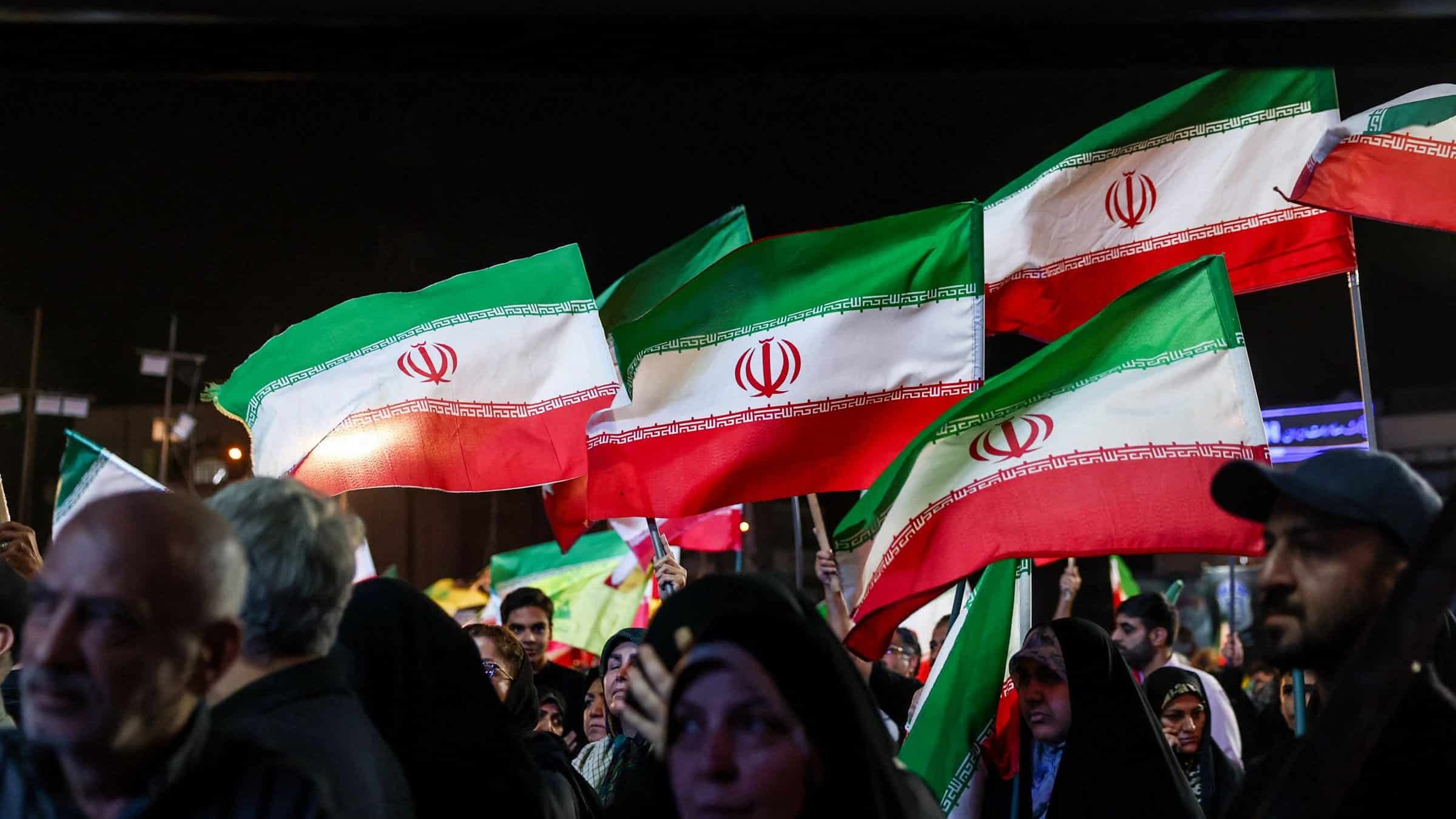
The announcement that United States and Iranian negotiators have agreed to a Memorandum of Understanding to end the war raises an obvious and pressing question. Why would Tehran sign anything with a Trump administration? The biggest danger is not simply that the United States will renege on its commitments or fail to deliver on economic promises. The greatest threat is another surprise attack. Yet Iran signs because they approach this agreement with clear eyes, knowing full well it is unlikely to be respected and demanding concrete verification rather than trusting empty promises.
There can be little doubt that the Iranians understand the nature of their adversary. The leaders who remain have colleagues, friends, and family members killed by American and Israeli strikes in the February 28 decapitation attacks. They remember the assassination of Qasem Soleimani and the sabotage of nuclear facilities. They also remember how International Atomic Energy Agency inspectors provided intelligence that facilitated attacks, proving that international organizations cannot be trusted to maintain neutrality. This is a leadership that operates on zero faith in Western good intentions.
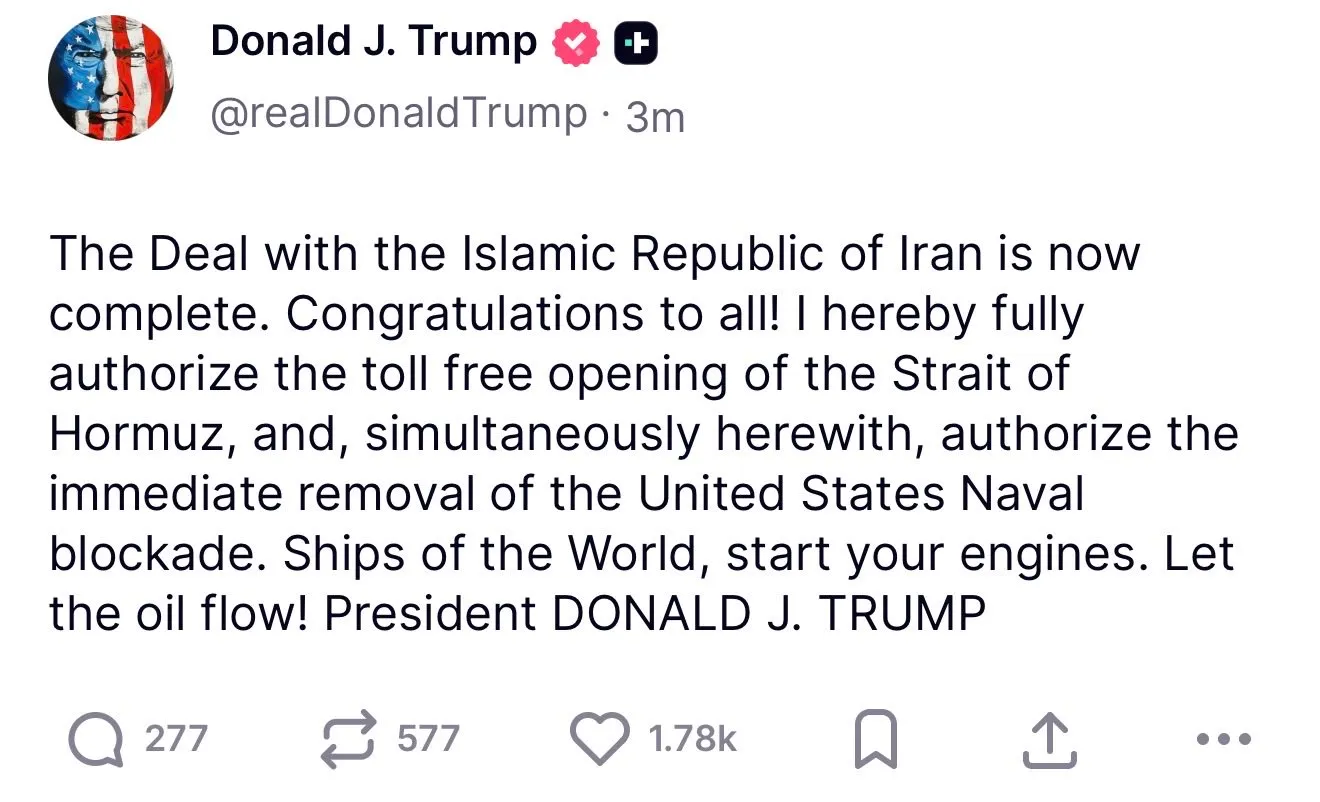
Despite what is clearly a strategic victory in surviving the initial onslaught, the country has been battered extensively over the past months. Civilian infrastructure and energy grids were heavily targeted during the conflict. The regime needs breathing room to rebuild and to stabilize the economy. They are not masochists. They do not want more destruction. This is where the agreement becomes rational. The deal offers immediate, tangible benefits like reopening the Strait of Hormuz and temporary sanctions waivers. Iran will demand that results are verified before making their own concessions.
Many critics bring up Minsk-2 and the betrayal by western leaders. The critical difference between this agreement and the Minsk accords is that Iran goes into it with absolutely no illusions. When Vladimir Putin signed the Minsk agreements, he believed the West was negotiating in good faith. Clearly that was a catastrophic miscalculation. Angela Merkel, Francois Hollande, and Petro Poroshenko have all since openly admitted there was never any genuine intention of fulfilling the commitments of the 2015 Minsk agreement. The West was merely buying time to arm and train Ukraine. Iran watched this diplomatic betrayal closely. Unlike Putin at the time, Tehran knows that Western diplomatic pauses are as likely to be just pretexts for rearming or preparing the next military strike as a genuine desire for peace.
Because Iran knows this history, their primary fear will not be the United States simply failing to deliver on economic promises. The real danger is another surprise attack as the Americans and Israelis hope their military guard is down. Both sides will presumably use this pause to rearm. The United States has already spent billions, while Iran has demonstrated it can rebuild its missile and drone capabilities quickly. The Iranians know this pause is temporary. But a temporary pause saves lives and allows reconstruction. They sign the deal to extract maximum immediate value but while actively preparing for the other side to launch a sudden strike the moment it becomes convenient.
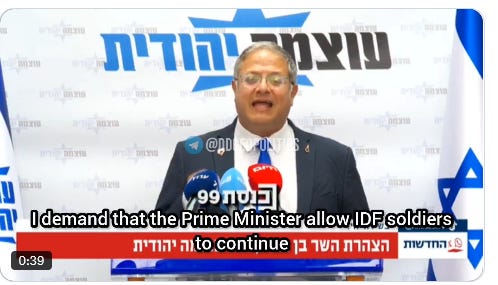
Furthermore, a likely cause of the agreement failing will not even be Washington, it will be Israel. The Iranian leadership knows that the United States cannot fully control its regional ally, nor can it guarantee Israeli compliance. The greatest threat to this ceasefire is Israel crossing established red lines, especially in Lebanon. If Israeli forces launch unauthorized strikes against Hezbollah positions or violate the new boundaries in Beirut, it could instantly collapse the memorandum and drag Iran back into direct conflict. Iran is signing this deal knowing that managing Israeli provocations will be the true test of the agreement. They are preparing for the high probability that Israel will act as the ultimate spoiler to undermine any diplomatic progress.
The Iranians understand that in asymmetric warfare, survival itself is victory. They have survived the most powerful military on earth. Now they negotiate not from weakness but from the knowledge that the United States has no coherent theory of victory. They sign the memorandum because it serves their immediate interests today, and they actively prepare for betrayal or a sudden attack tomorrow. They will not be caught off guard again. That is not naivete. That is cold, calculated strategy.
Reprinted with permission from Ashes of Pompeii.
