
Rumors persist that the Trump administration is actively seeking an off-ramp to the escalating conflict with Iran. The prevailing assumption within certain circles of the White House is that Tehran, having sustained serious damage from recent military strikes, would welcome a cessation of hostilities. This calculation, however, rests on a dangerous misreading of Iranian resolve, historical grievance, and strategic necessity. What if Iran says no?
The first and most fundamental obstacle is trust. Can Iran reasonably trust any promise made by Donald Trump? The historical record suggests otherwise. The unilateral withdrawal from the JCPOA in 2018, despite verified Iranian compliance, established a precedent of bad faith. Yet, the breach of trust goes deeper than past policy. The February 28 surprise attack was not merely a military strike; it was launched in the midst of ongoing peace talks. To strike while negotiating is the absolute most serious breach of diplomatic trust possible. It signals that words are meaningless and that force is the only language recognized by Washington. For Iranian leadership, any verbal assurance offered today carries the weight of tomorrow’s tweet. Diplomacy requires a foundation of credibility; that foundation has been systematically dismantled.
Second, the ideological makeup of the opposing governments creates a structural barrier to compromise. The current Israeli government is composed of extremist Zionists whose platform often rejects coexistence in favor of maximalist territorial and security demands. Simultaneously, Christian Zionists hold an important role in the Trump administration, viewing conflict in the Middle East through a theological lens that favors escalation over diplomacy. This alignment makes compromise with Iran inherently harder. For these factions, concession is not strategy; it is heresy. What demands could Iran make that would credibly constrain Israeli action? Binding security guarantees from the United States would be required, yet Washington’s ability to restrain its ally in moments of crisis is historically limited. Conversely, any Iranian demand for verifiable, long-term restrictions on Israeli military operations would likely be viewed in Jerusalem as an unacceptable infringement on sovereignty – a potential casus belli in itself.
Third, any serious Iranian negotiation would inevitably demand the removal of American military bases from the Persian Gulf. From Tehran’s perspective, these installations are not defensive outposts but forward operating bases for coercion and regime-change planning. Their presence is an existential threat. Yet for any American president, particularly one branding himself as a champion of strength, agreeing to withdraw forces from Bahrain, Qatar, or Kuwait would be politically untenable. It would be framed domestically not as diplomacy, but as retreat. Trump, who measures success in visible, declarative terms, could not sell a deal that requires abandoning strategic assets as a victory.
Fourth, Iran would demand the immediate and comprehensive lifting of sanctions. The economic toll of the pressure campaign has been severe, but capitulation without full relief would be seen as surrender. However, an immediate, total sanctions lift is a non-starter for the administration. It would undermine the central lever of U.S. pressure and invite fierce criticism from allies and domestic opponents alike.
And it is not worth even discussing the reaction to likely Iranian demands for reparations from America or Israel.
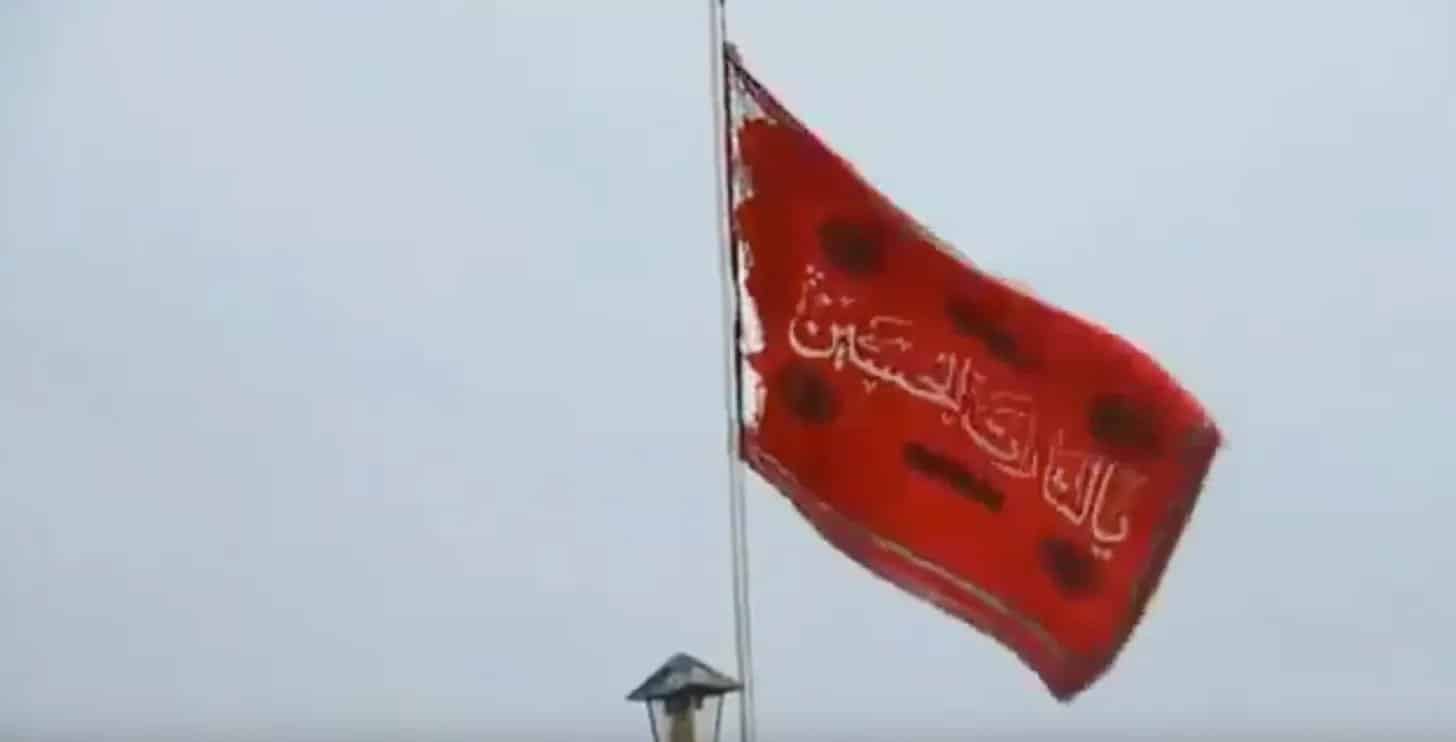
Underpinning all these structural obstacles is a profound cultural and emotional reality. Iran has raised the red flag of revenge. For Shiites, this is not merely political rhetoric; it is a religious imperative rooted in the tragedy of Karbala. Martyrdom and the justice due to martyrs cannot be so easily forgotten or forgone for political expediency. The rage in Iran for the February 28 attack is enormous, compounded by the perfidy of being struck during negotiations. A return to the status quo ante is not possible. The leadership that agrees to such terms risks being seen as weak, or worse, complicit in the betrayal of the faithful. And let us not forget, it is the son of the murdered Supreme Leader who has now been chosen as the new spirutual leader of Iran. This selection, in itself, can be seen as a slap in the face for Trump, who was demanding a say in the selection of the new leader.
The Trump administration appears to operate under the assumption that it holds total control over the escalation and de-escalation process. This is a critical miscalculation. Iran is not a passive recipient of U.S. policy but a strategic actor with its own red lines, domestic imperatives, and regional alliances. Tehran has demonstrated both the capacity and the will to act, and to retaliate when necessary. Diplomacy is a dialogue, not a dictate.
The central question, therefore, is not whether the United States can offer an off-ramp, but whether Iran can accept it. If the answer is no – and the points above suggest compelling reasons why it might be – then the conflict enters a more dangerous, protracted phase. Miscalculation risks increase. The assumption that pain alone will produce compliance ignores the role of pride, sovereignty, faith, and survival in strategic decision-making. Before celebrating a potential exit, policymakers must confront an uncomfortable truth: Iran has a say. And if Tehran chooses to say no, the path forward grows darker, longer, and far less certain. Added to this, Trump’s emotional, some would say vindictive, character would suggest that an Iranian refusal would lead him to escalate further.
Therefore this potential off-ramp may exist on a map in Washington, but in Tehran, the road ahead may still lead only forward, into not a storm, but a full blown global hurricane.
Reprinted with permission from Ashes of Pompeii.
